Unexpected Expenses? Bad Credit Doesn’t Have to Stop You
Life has a funny way of throwing curveballs, doesn’t it? Maybe your car just decided to give up the ghost, or you’ve got an unexpected medical bill that needs paying now. Whatever the reason, when you need cash and your credit score isn’t exactly sparkling, it can feel like you’re stuck between a rock and a hard place. It’s totally understandable to feel overwhelmed, stressed, or even a little embarrassed about your credit situation. You’re definitely not alone in this.
Here at SwipeSolutions, we get it. We know that a low credit score doesn’t define you or your ability to handle money responsibly. Sometimes, life just happens. That’s why we’re here to walk you through the world of bad credit loans. Think of me as your friendly neighbor, ready to share some practical advice and help you understand your options without all the confusing jargon or pushy sales talk. We’ll explore what these loans are, how they work, and how you can find a solution that genuinely helps you out, even if your credit score is on the lower side.
Don’t worry, you’ve got options. Let’s figure this out together.
Understanding Bad Credit Loans: The Basics You Need to Know
First things first, let’s clear up what we mean by “bad credit.” Generally, lenders look at your FICO score, and if yours is below 580, you’re usually in what’s considered the “poor” credit range. Scores between 580-669 are often called “fair.” Lenders use these numbers to gauge how risky it might be to lend you money. A lower score suggests a higher risk, which means traditional lenders might be hesitant to approve you for a loan with their standard terms.
So, what’s a bad credit loan? Simply put, it’s a type of personal loan specifically designed for people with credit scores that fall into those “poor” or “fair” categories. Because lenders are taking on more risk, these loans often come with higher interest rates compared to what someone with excellent credit might get. However, they’re also much more accessible for many people who really need a financial boost.
It’s not about finding a magic bullet, but rather understanding that different lenders have different criteria. Some specialize in working with individuals who have less-than-perfect credit histories, and they’ve built their business around assessing that risk differently. They might look at other factors besides just your credit score, like your income, employment history, and existing debts, to get a fuller picture of your financial situation. This means your credit score isn’t the only thing that matters, which is great news if you’re feeling stuck.
What Kind of Loans Are We Talking About?
When you’re looking into bad credit loans, you’ll generally encounter a few main types:
- Unsecured Personal Loans: These don’t require collateral (like a car or house). They’re often harder to get with bad credit and usually have higher interest rates, but they offer flexibility in how you use the funds.
Secured Personal Loans: These loans do* require collateral. Because there’s something backing the loan, lenders see less risk, which can lead to easier approval and potentially lower interest rates. Just remember, if you can’t repay the loan, you could lose your collateral.
- Payday Alternative Loans (PALs): Offered by federal credit unions, PALs are a fantastic option if you can get one. They’re designed to be a safer, more affordable alternative to traditional payday loans, with smaller amounts, lower fees, and more reasonable repayment terms.
- Co-signed Loans: If you have a friend or family member with good credit who’s willing to co-sign, they essentially promise to pay the loan back if you can’t. This can significantly improve your chances of approval and might get you a better interest rate.
It’s all about finding the right fit for your specific needs and situation. No two bad credit loans are exactly alike, and that’s why comparing your options carefully is so important.
Your Step-by-Step Guide to Finding the Right Bad Credit Loan
Feeling ready to dive in? Great! Finding a bad credit loan doesn’t have to be a confusing maze. Here’s a practical, step-by-step approach to help you navigate the process and make the best decision for your financial future.
Step 1: Know Your Credit Score and Report
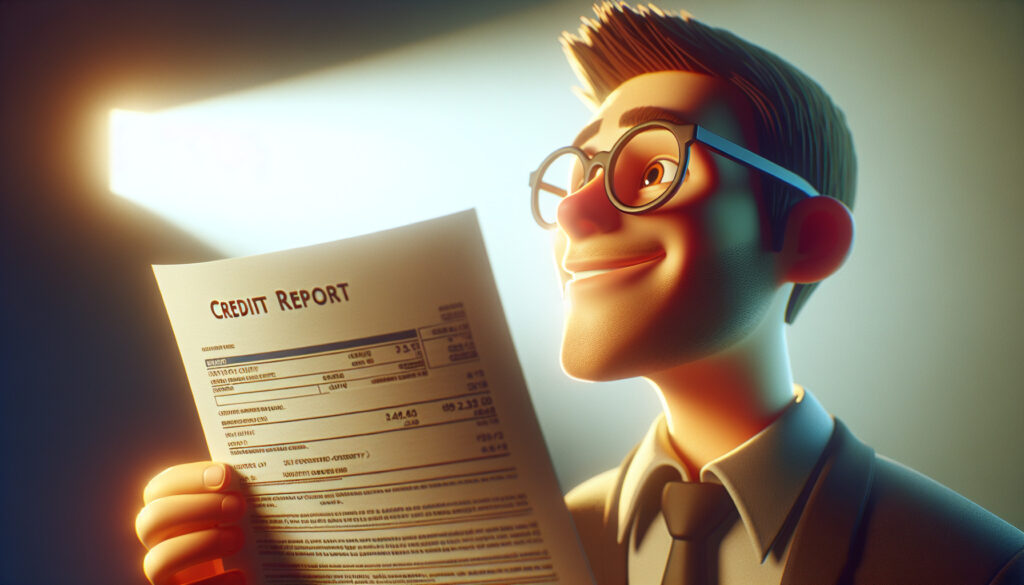
Before you even think about applying, pull your credit report and score. You can get a free copy of your credit report from each of the three major bureaus (Equifax, Experian, and TransUnion) once a year at AnnualCreditReport.com. Many credit card companies and banks also offer free credit score access. Why do this? Because it helps you:
- Understand where you stand: Knowing your score helps you target lenders who work with your specific credit range.
- Spot errors: Credit reports can have mistakes. If you find one, dispute it! Correcting errors can sometimes boost your score surprisingly quickly.
- Identify areas for improvement: Your report shows what’s impacting your score, giving you clues on what to work on if you have time before needing a loan.
Step 2: Figure Out Exactly What You Need
Before you start looking at loan offers, get clear on two things:
- How much do you need? Only borrow what you absolutely need, not a penny more. Borrowing too much means higher payments and more interest.
- What can you realistically afford to pay back each month? Look at your monthly income and expenses. Be honest with yourself about what payment amount fits comfortably into your budget. Remember, missing payments will only make your credit situation worse.
Step 3: Explore Different Lender Types and Loan Options
This is where SwipeSolutions can really help you compare. Don’t just go with the first offer you see. Look at a variety of lenders:
- Online Lenders: Many online platforms specialize in bad credit loans. They often have quick application processes and can sometimes offer competitive rates, even for lower credit scores. They often have less stringent requirements than traditional banks.
- Credit Unions: As mentioned, federal credit unions offer PALs, which are excellent options. Even if you don’t qualify for a PAL, credit unions are often more willing to work with members who have less-than-perfect credit than big banks.
- Banks: While traditional banks might be tougher for bad credit, it’s not impossible, especially if you have an existing relationship with them or if you’re looking for a secured loan.
When you’re comparing, focus on the Annual Percentage Rate (APR), which includes both the interest rate and any fees. This gives you the true cost of borrowing. Also, consider the loan term (how long you have to pay it back) and the total amount you’ll pay over the life of the loan.
Step 4: Gather Your Documents
Once you’ve narrowed down your options, you’ll need to apply. Lenders will typically ask for:
- Proof of identity (driver’s license, state ID)
- Proof of income (pay stubs, bank statements, tax returns)
- Proof of residence (utility bill, lease agreement)
- Bank account information for direct deposit and payments
Having these ready will make the application process much smoother and quicker.
Step 5: Read the Fine Print and Ask Questions
Before you sign anything, read the loan agreement carefully. Understand all the terms: the interest rate, APR, repayment schedule, fees (origination fees, late payment fees, prepayment penalties), and what happens if you miss a payment. If anything is unclear, ask the lender to explain it. A reputable lender will be happy to answer your questions and ensure you understand everything.
Common Mistakes to Steer Clear Of
When you’re looking for a bad credit loan, it’s easy to fall into traps if you’re not careful. Avoiding these common missteps can save you money, stress, and protect your credit score in the long run.
Applying Everywhere You See an Offer
It might seem logical to apply to multiple lenders to increase your chances, but this can actually hurt your credit score. Each time you apply for a loan, it often results in a “hard inquiry” on your credit report. A few hard inquiries within a short period can signal to lenders that you’re a risky borrower, potentially lowering your score even further. Instead, use pre-qualification options (which typically involve a “soft inquiry” that doesn’t affect your score) to compare offers before submitting a full application.
Focusing Only on the Monthly Payment
It’s natural to want a low monthly payment, but don’t let that be your only focus. A lower monthly payment often means a longer loan term, which translates to paying more interest over the life of the loan. Always look at the total cost of the loan, which is best represented by the Annual Percentage Rate (APR). The APR gives you the full picture of the loan’s cost, including interest and fees, allowing you to compare offers accurately.
For example, a $5,000 loan with a 24-month term and a $250 monthly payment might seem better than a $5,000 loan with a 12-month term and a $450 monthly payment. But if the 24-month loan has a 35% APR and the 12-month loan has a 20% APR, you’ll pay significantly more overall with the seemingly cheaper monthly option.
Not Reading the Fine Print (Seriously!)
We mentioned this before, but it’s worth repeating. Every loan agreement has terms and conditions that you must understand. These detail everything from late payment penalties to prepayment fees (charges for paying off your loan early). Sometimes, what looks like a good deal on the surface might have hidden fees or unfavorable terms buried in the small text. Don’t be afraid to take your time and ask for clarification on anything that’s unclear.
Falling for “Guaranteed Approval” Scams
Be highly skeptical of any lender that promises “guaranteed approval” regardless of your credit score, especially if they ask for an upfront fee before you even receive the loan funds. Reputable lenders will always review your application and financial situation; they can’t guarantee approval without doing their due diligence. These types of offers are often predatory and designed to take advantage of people in desperate situations.
Borrowing More Than You Actually Need
It can be tempting to borrow a little extra “just in case,” but this is a slippery slope. Every dollar you borrow needs to be paid back with interest. Sticking strictly to the amount you need for your immediate expense will help keep your monthly payments manageable and reduce the overall cost of the loan. Remember your budget from Step 2? Stick to it!
Not Verifying the Lender’s Legitimacy
Before you share any personal information or commit to a loan, do a quick check on the lender. Look for reviews online, check their Better Business Bureau rating, and ensure they’re registered to do business in your state. A legitimate lender will have a clear website, contact information, and transparent terms. If something feels off, trust your gut and walk away.
Practical Tips for Securing and Managing Your Bad Credit Loan
Okay, now that you know what to look out for, let’s talk about some proactive steps you can take to make the process smoother and set yourself up for success. These tips aren’t just about getting approved; they’re about using a bad credit loan as a stepping stone to better financial health.
- Work on Your Credit Score (If You Have Time): Even a small improvement can make a difference. Before applying, try to pay down some existing debt, especially high-interest credit card balances. Make sure all your current bills are paid on time. Even setting up payment reminders for utilities can help prevent dings to your credit.
- Consider a Secured Loan or Co-signer: If you’re having trouble getting approved for an unsecured loan, these options can significantly boost your chances. A secured loan, backed by collateral like a car or savings account, reduces the risk for the lender. A co-signer with good credit adds their creditworthiness to your application. Just make sure both you and your co-signer understand the responsibilities involved.
- Start Small to Build Trust: If you don’t need a large amount, consider applying for a smaller loan first. Successfully repaying a smaller loan on time can demonstrate your reliability to lenders and improve your credit score, making it easier to get larger loans with better terms in the future.
- Create a Detailed Budget: This isn’t just about figuring out what you can afford for the loan payment. A comprehensive budget helps you see exactly where your money goes each month. This can reveal areas where you can cut back, freeing up more cash for your loan payments and potentially allowing you to pay it off faster. There are tons of free budgeting apps and templates available online to help you get started.
- Look into Credit Builder Loans: These are a unique type of loan designed specifically to help you build credit. The loan amount is typically held in a locked savings account while you make regular payments. Once the loan is paid off, you get access to the money, and the on-time payments are reported to credit bureaus, boosting your score. This isn’t for immediate cash needs, but it’s a powerful tool for long-term credit improvement.
- Explore Local Credit Counseling Agencies: Non-profit credit counseling agencies can offer free or low-cost advice on managing debt, creating budgets, and improving your credit. They can be a fantastic resource if you’re feeling overwhelmed or need personalized guidance beyond just finding a loan.
- Set Up Automatic Payments: Once you’ve secured a loan, set up automatic payments from your bank account. This is one of the easiest ways to ensure you never miss a payment, which is crucial for protecting and improving your credit score. Plus, it takes one less thing off your mind each month.
You’ve Got This: Moving Forward with Confidence
It’s easy to feel defeated when you’re dealing with bad credit and unexpected expenses. But remember, a low credit score isn’t a life sentence. Bad credit loans, when chosen wisely and managed responsibly, can be a really helpful tool to get you through a tough spot and even start rebuilding your financial standing.
Your journey to better financial health begins with understanding your options and making informed decisions. By taking the time to compare lenders, understand terms, and avoid common pitfalls, you’re already putting yourself in a much stronger position. Don’t let past financial bumps define your future. You have the power to make positive changes, and we’re here to help you every step of the way.
Ready to see what options are available for you? Head over to SwipeSolutions.com. We’re here to connect you with lenders who understand your situation and are ready to offer a helping hand. Let’s find a solution that works for you.
Find Loans in Your Area
Looking for loan options near you? Check out our local guides: